Anmol Blog
The Story of Gulab Jamun: From Persia, to India, to Stockholm
Oct
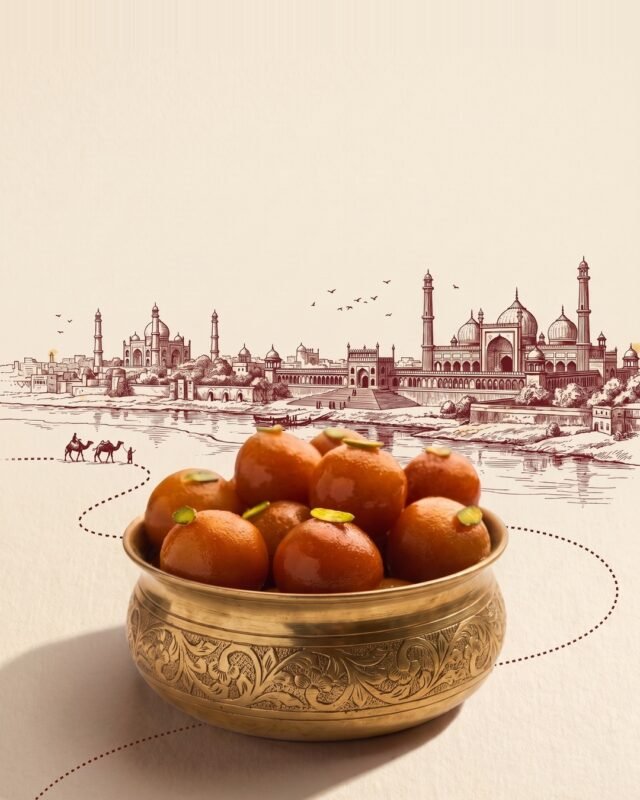
Named after a rose. Shaped like a fruit. Few sweets carry as much history in one bite as gulab jamun: soft, golden-brown and soaked in warm syrup. Its story starts in Persia, takes its name and shape in India, and ends here in Stockholm, on the counter at Anmol Sweets in Spånga.
Chapter I · Persia: where it began
Food historians widely trace the roots of gulab jamun to the fried sweets of Persia and Central Asia: small balls of dough, fried and then soaked in syrup scented with rose. Relatives of that idea still exist across the region, such as luqmat al-qadi in the Arab world.
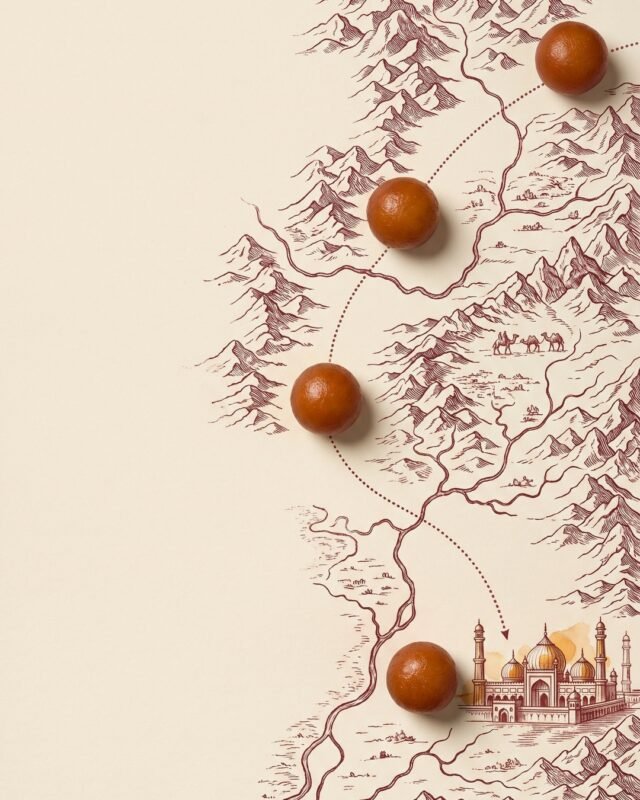
The idea travelled east with traders, cooks and caravans along the old routes into the Indian subcontinent, where it was about to get a new name and a new recipe.
Chapter II · India: a rose, some water and a fruit
The name tells the story on its own:
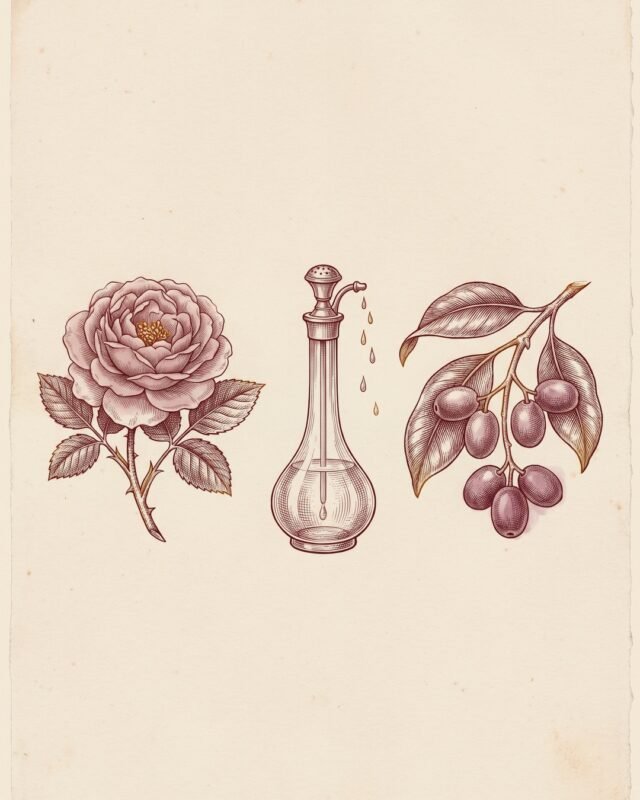
- Gul means flower, the rose.
- Ab means water. Together, gulab is rose water, the scent traditionally used in its syrup.
- Jamun is the dark purple Java plum, a fruit of about the same size and colour as the finished sweet.
Patient hands, slow fire
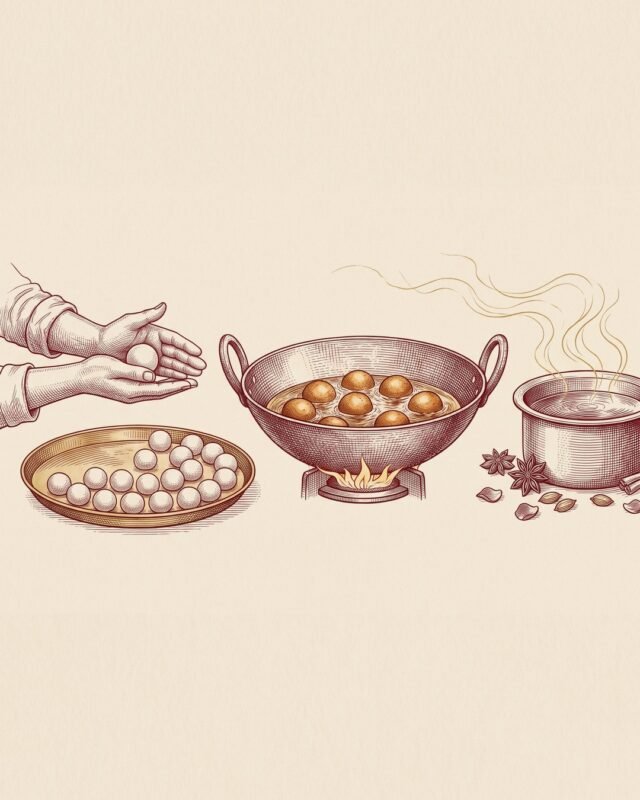
In India the sweet became a milk sweet. Traditionally, milk is cooked down slowly into khoya, kneaded into a soft dough, rolled by hand into smooth balls, fried slowly until deep golden brown and then soaked in warm sugar syrup, often with cardamom and rose water. Rushing any step makes it hard in the middle, which is why it has always been a sweet of patient hands.
A popular legend says gulab jamun was perfected in the Mughal royal kitchens. It is a legend rather than documented history, but it explains why the sweet still feels like a royal treat at weddings, Eid, Diwali and every family celebration.
Chapter III · Stockholm: Anmol’s Gulab Jamun
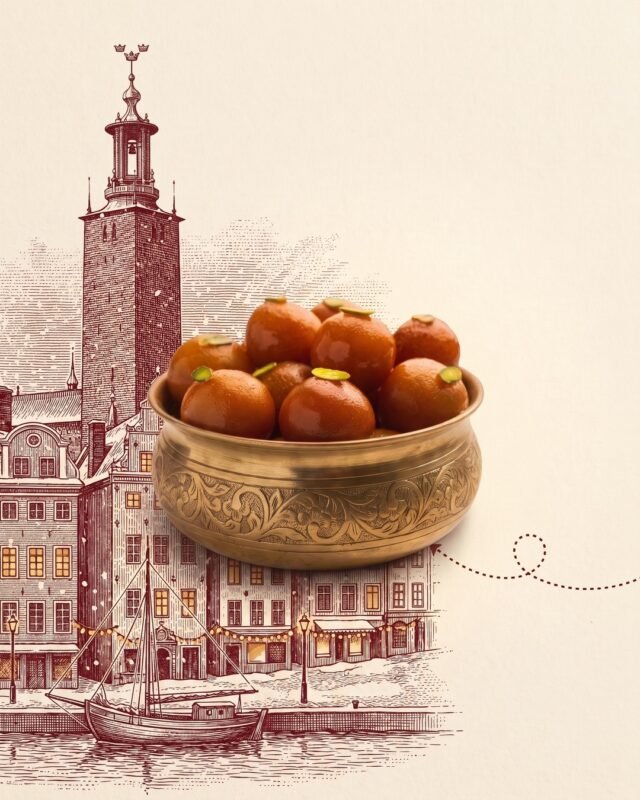
From Persia, to India, to Stockholm. At Anmol Sweets & Restaurant in Spånga our gulab jamun is handmade and sold by weight, so you can take home a few for tonight or a big box for a celebration.
| 250 g | 40 kr |
| 500 g | 75 kr |
| 1 kg | 150 kr |
| 2 kg | 300 kr |
| 5 kg | 750 kr |
Serving tip: warm it for a few seconds before serving, or try it with our Special Anmol Rabri.
-
 Gulab Jaman Soft and Tasty extra Syrupy Dessert
From kr40.00

Gulab jamun: quick answers
What does gulab jamun mean?
Gulab comes from gul (flower, rose) and ab (water), meaning rose water, the scent of its syrup. Jamun is the dark purple Java plum it resembles in size and colour.
Where does gulab jamun come from?
Its roots are widely traced to the fried, syrup-soaked sweets of Persia and Central Asia. It took its familiar milk-based form in the Indian subcontinent, and legend links it to the Mughal royal kitchens.
Where can I buy gulab jamun in Stockholm?
At Anmol Sweets & Restaurant, Fagerstagatan 13, 163 53 Spånga. Order online or call +46 76 917 84 56.
